What Is a Damper Actuator and How Does It Work?
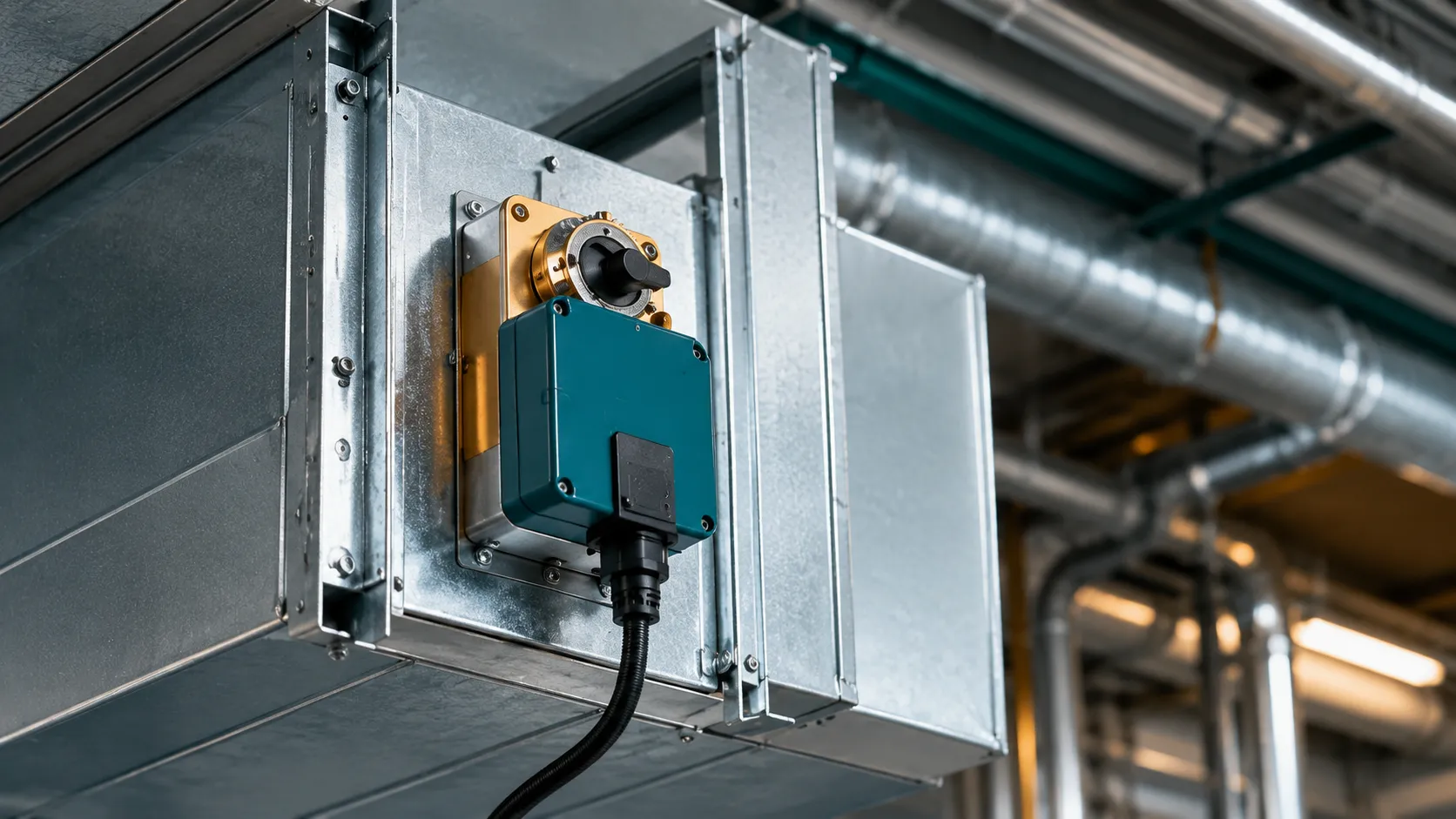
A damper actuator is one of the most important control components in an HVAC system. It is used to open, close, or adjust dampers inside air ducts so the system can control the amount of air flowing through different areas of a building. Although it is often a small device, its role is essential for comfort, ventilation, energy efficiency, and overall system performance.
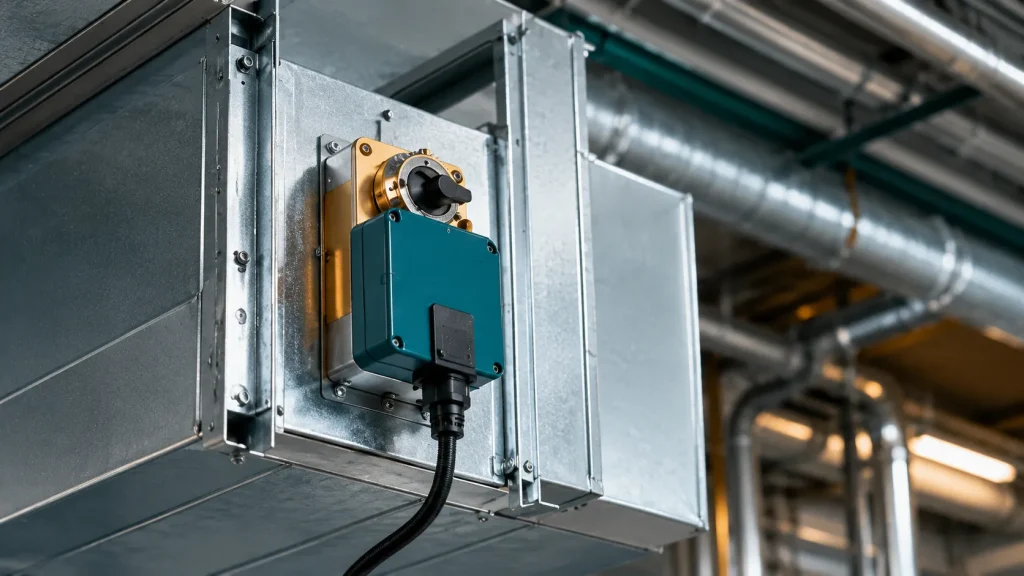
In simple terms, a damper controls airflow, and the actuator is the motorized device that moves the damper. Without an actuator, dampers would need to be adjusted manually. With an actuator, the HVAC system can automatically regulate airflow based on temperature, pressure, air quality, or building management system commands.
How Does a Damper Actuator Work?
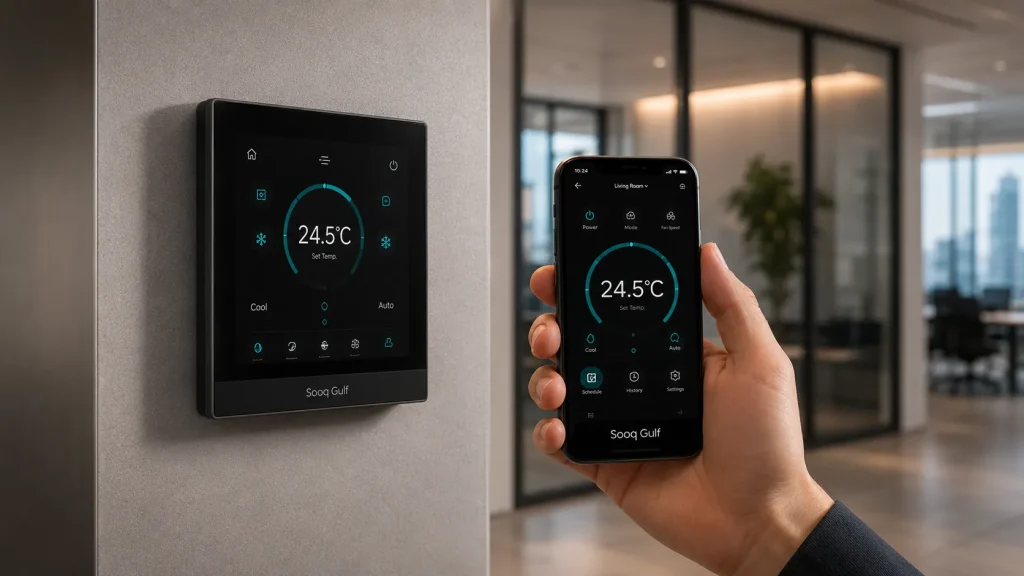
A damper actuator receives a control signal from a thermostat, controller, or building management system. Based on that signal, it moves the damper blade to a specific position. The damper may be fully open, fully closed, or partially open depending on the system requirement.
For example, when a room needs more cooling, the control system can send a signal to the actuator to open the damper wider. When the room reaches the desired temperature, the actuator can reduce airflow by partially closing the damper. This automatic adjustment helps maintain stable indoor conditions without wasting energy.
Most damper actuators work using an electric motor. The motor creates rotational movement, which is transferred to the damper shaft. This movement changes the damper position inside the duct.
Main Types of Damper Actuators
Damper actuators are available in different types depending on the HVAC design and control requirement.
On/off damper actuators are used when the damper only needs to be fully open or fully closed. They are common in simple ventilation systems.
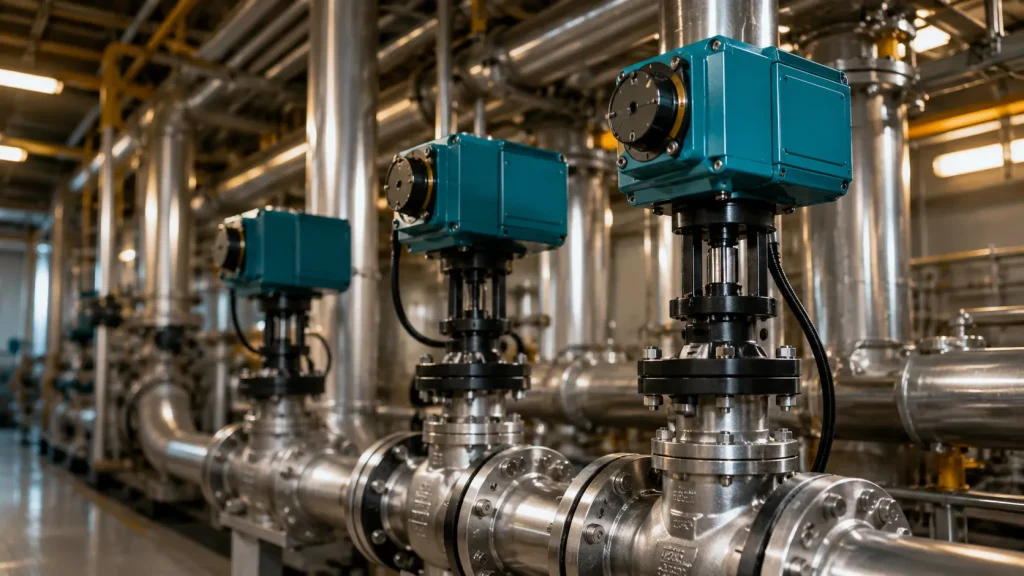
Modulating damper actuators allow the damper to move to different positions between fully open and fully closed. These are ideal for systems that need precise airflow control.
Spring return damper actuators include a safety function. If power is lost, the spring returns the damper to a default position, usually open or closed. This is useful in smoke control, fire safety, and critical ventilation systems.
Non-spring return actuators stay in their current position when power is interrupted. They are often used in standard comfort ventilation applications.
Where Are Damper Actuators Used?
Damper actuators are used in many HVAC and ventilation applications, including commercial buildings, industrial facilities, hospitals, shopping malls, warehouses, schools, hotels, and residential HVAC systems.
They are commonly installed in air handling units, fresh air intake ducts, exhaust systems, variable air volume systems, smoke control systems, and zone control applications.
In large buildings, damper actuators help divide the HVAC system into zones. Each zone can receive the right amount of air based on occupancy and temperature demand. This makes the system more comfortable and more energy efficient.
Why Are Damper Actuators Important?
The main benefit of a damper actuator is automatic airflow control. Instead of delivering the same amount of air everywhere, the HVAC system can direct air where it is needed most.
This improves indoor comfort because each space can be controlled more accurately. It also reduces energy waste because the system does not need to overcool or overheat areas that do not require extra airflow.
Damper actuators also support better indoor air quality. In ventilation systems, they help control the amount of fresh air entering the building and the amount of stale air being exhausted.
In safety-related systems, damper actuators can help manage smoke movement, isolate areas, or support emergency ventilation strategies.
How to Choose the Right Damper Actuator
Choosing the right damper actuator depends on several factors, including torque requirement, control signal, power supply, damper size, fail-safe requirement, and installation environment.
The actuator must have enough torque to move the damper smoothly. If the torque is too low, the damper may not open or close properly. The control signal must also match the HVAC controller, such as on/off, floating, or modulating control.
For critical systems, a spring return actuator may be required. For general comfort applications, a non-spring return actuator may be suitable.
Final Thoughts
A damper actuator may look like a small HVAC component, but it has a major impact on airflow control, comfort, energy efficiency, and system safety. By automatically adjusting damper positions, it helps HVAC systems respond intelligently to real building conditions.
For any commercial, industrial, or smart building project, selecting the right damper actuator is an important step toward reliable and efficient HVAC operation.