Smart HVAC Automation: The Future of Building Management
Smart HVAC automation is changing the way buildings are controlled, monitored, and managed. Traditional HVAC systems often operate based on fixed schedules or manual settings. Smart automation takes this further by using sensors, controllers, data, and connected devices to make HVAC systems more intelligent and efficient.
For commercial buildings, hotels, offices, malls, hospitals, and industrial facilities, HVAC is one of the largest energy-consuming systems. Smart automation helps reduce waste, improve comfort, and give facility managers better control over building performance.
What Is Smart HVAC Automation?
Smart HVAC automation means using intelligent control systems to manage heating, ventilation, and air conditioning equipment automatically. These systems can monitor temperature, humidity, occupancy, air quality, pressure, and energy consumption.
Instead of running equipment at the same level all day, smart automation adjusts operation based on real-time demand. If a meeting room is empty, the system can reduce airflow or cooling. If a space becomes occupied, the system can increase comfort levels automatically.
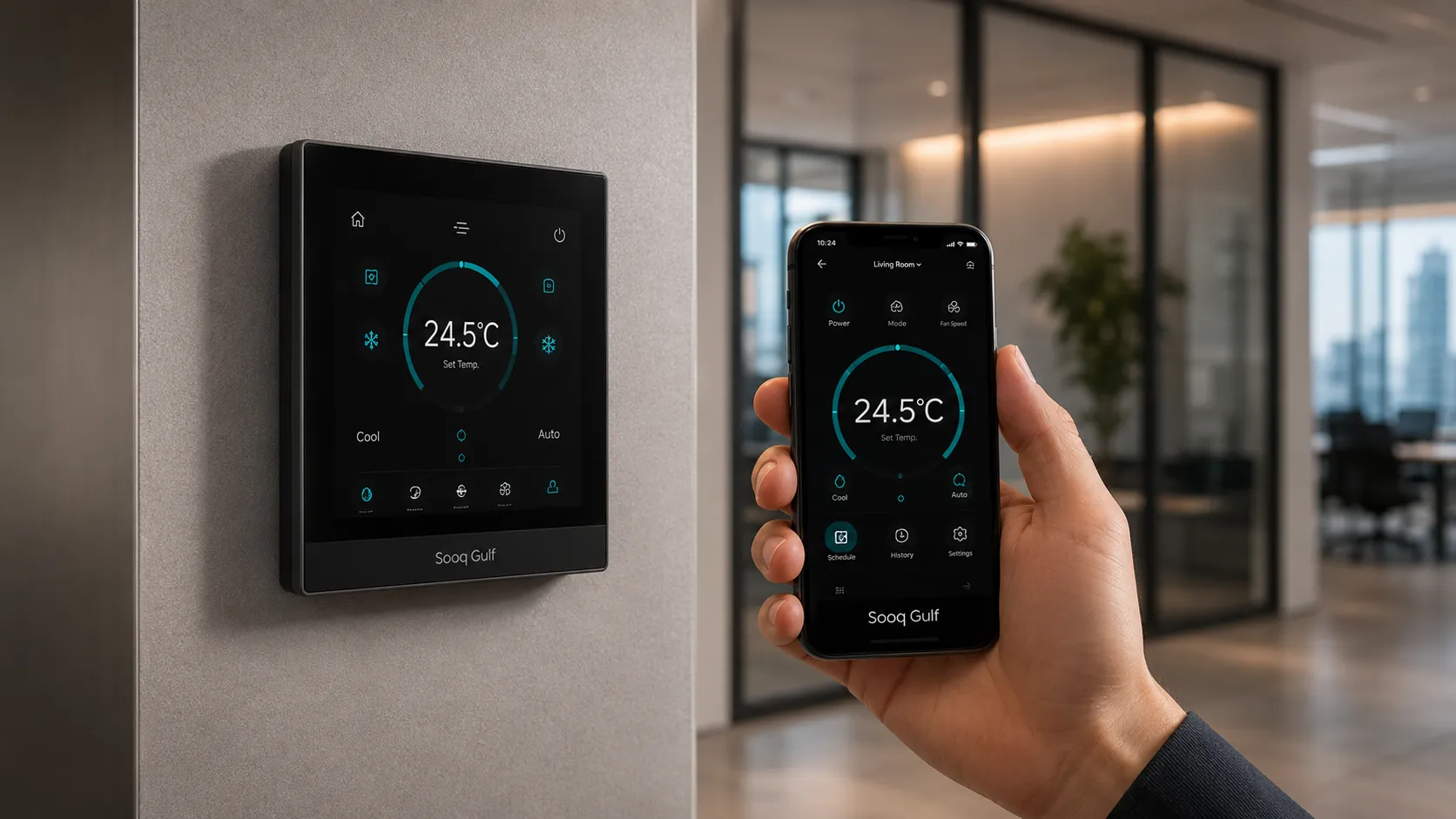
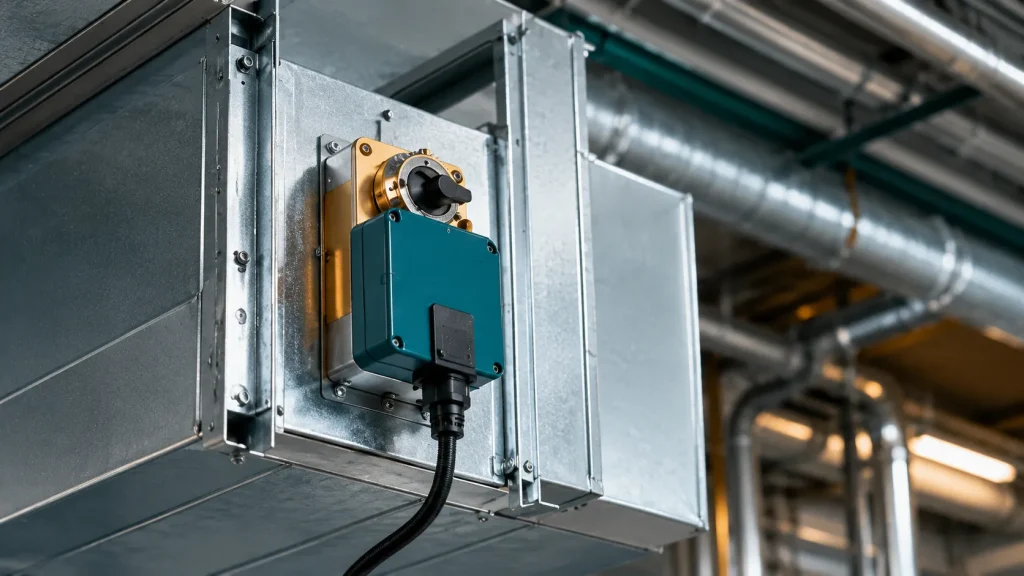
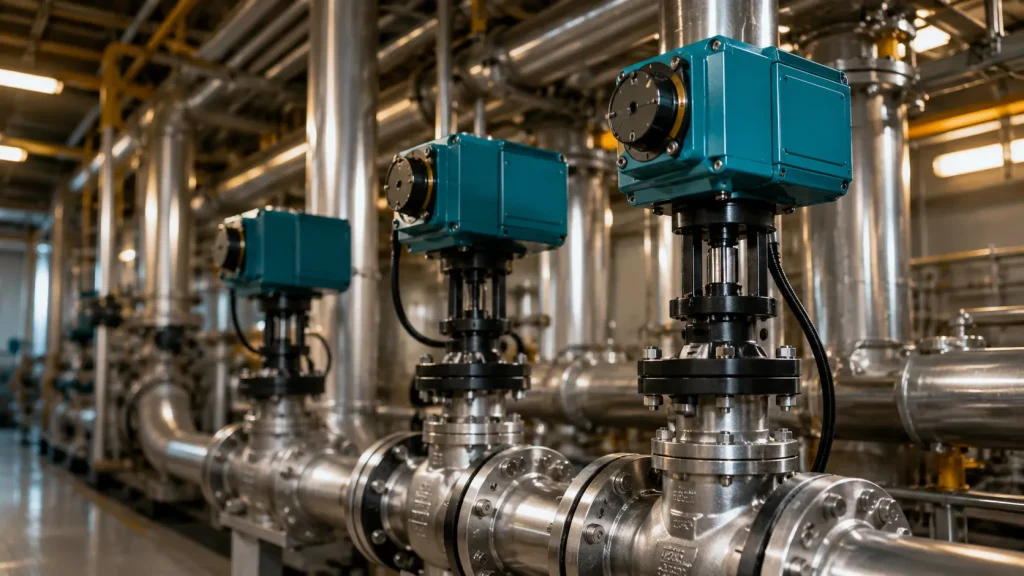
Smart HVAC automation can include thermostats, sensors, damper actuators, valve actuators, variable speed drives, air handling units, fan coil units, chillers, pumps, and building management systems.
How Smart HVAC Automation Works
A smart HVAC system collects data from sensors installed throughout a building. These sensors send information to controllers or a building management system. The system then analyzes the data and sends commands to HVAC equipment.
For example, if the indoor temperature rises above the setpoint, the system may open chilled water valves, increase fan speed, or adjust dampers to deliver more cool air. If carbon dioxide levels increase in a crowded area, the system can bring in more fresh air.
This automatic response helps maintain comfort and indoor air quality while avoiding unnecessary energy use.
Key Features of Smart HVAC Automation
Smart HVAC automation provides several useful features for building owners and facility managers.
Real-time monitoring allows managers to see how equipment is performing at any moment.
Remote control makes it possible to adjust settings from a computer, tablet, or mobile device.
Energy optimization helps reduce electricity consumption by matching HVAC operation to actual demand.
Fault detection can identify abnormal performance, equipment failure, or maintenance issues early.
Data reporting helps managers understand energy trends, comfort issues, and system efficiency.
Integration with building systems allows HVAC to work together with lighting, access control, fire safety, and energy management systems.
Benefits of Smart HVAC Automation
One of the main benefits is energy efficiency. Since HVAC equipment only operates as needed, buildings can reduce waste and lower operating costs.
Another major benefit is improved comfort. Smart systems respond more accurately to changes in occupancy, temperature, and air quality. This creates a more stable indoor environment.
Smart HVAC automation also improves maintenance planning. Instead of waiting for equipment to fail, facility teams can use system data to detect early warning signs. This can reduce downtime and extend equipment life.
For building owners, smart HVAC systems can also increase property value. A building with modern automation is often easier to manage and more attractive to tenants.
Smart systems can also support sustainability goals by reducing energy consumption and improving overall building efficiency.
Where Smart HVAC Automation Is Used
Smart HVAC automation is used in many types of buildings, including office towers, residential buildings, shopping centers, hotels, hospitals, airports, schools, warehouses, and industrial facilities.
In offices, automation helps manage different zones based on working hours and occupancy. In hotels, it can reduce energy use in unoccupied rooms while keeping guest areas comfortable. In hospitals, it supports air quality, pressure control, and reliable operation.
In industrial facilities, smart automation can help control ventilation, temperature, humidity, and process-related airflow.
Why Smart HVAC Automation Matters
Buildings are becoming more connected, and energy management is becoming more important. Smart HVAC automation gives building owners the tools they need to manage comfort, cost, and performance more effectively.
It also helps reduce the pressure on facility teams. Instead of manually checking every system, they can monitor everything from a central platform.
As buildings become larger and more complex, automation is no longer just an upgrade. It is becoming a key part of modern building management.
Final Thoughts
Smart HVAC automation is the future of efficient and reliable building operation. By combining sensors, controllers, connected equipment, and intelligent software, buildings can become more comfortable, more efficient, and easier to manage.
For any project that aims to improve performance, reduce energy use, and support smarter facility management, HVAC automation is one of the most valuable investments.