Valve Actuators: Types, Applications & Benefits
Valve actuators are essential components used to control the opening and closing of valves in HVAC, plumbing, industrial, and process systems. They allow a system to manage the flow of water, steam, gas, oil, or other fluids with accuracy and consistency.
In modern building systems, valve actuators help control heating, cooling, pressure, and flow. Instead of manually turning a valve, an actuator automatically moves the valve based on a signal from a controller or building management system.
This makes valve actuators important for energy efficiency, system reliability, automation, and safety.
What Is a Valve Actuator?
A valve actuator is a device that moves a valve to a required position. The actuator can open the valve, close it, or adjust it partially to control the flow rate.
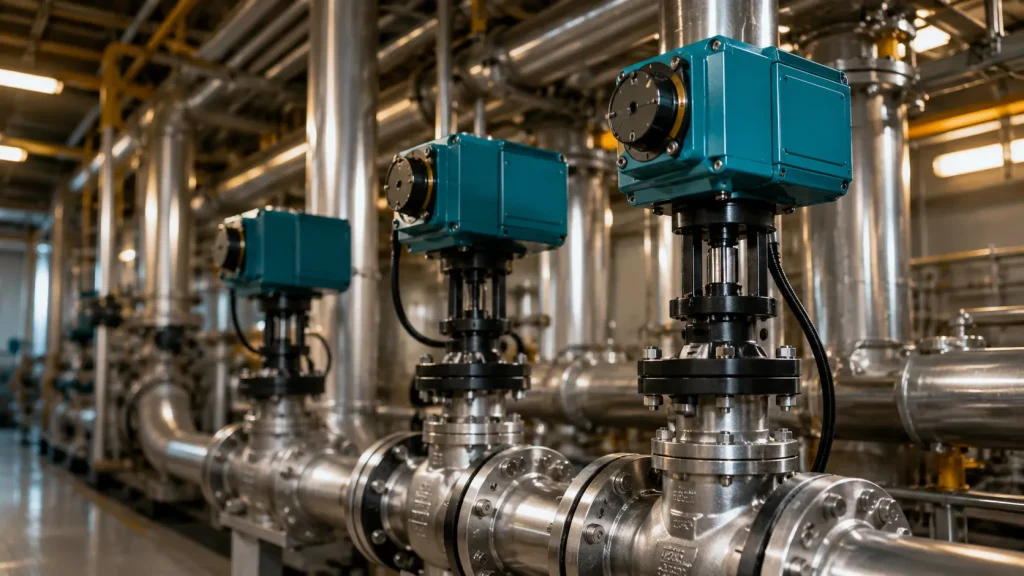
The actuator is usually mounted directly on the valve body. When it receives a control signal, it converts that signal into mechanical movement. This movement changes the valve position and controls how much fluid passes through the system.
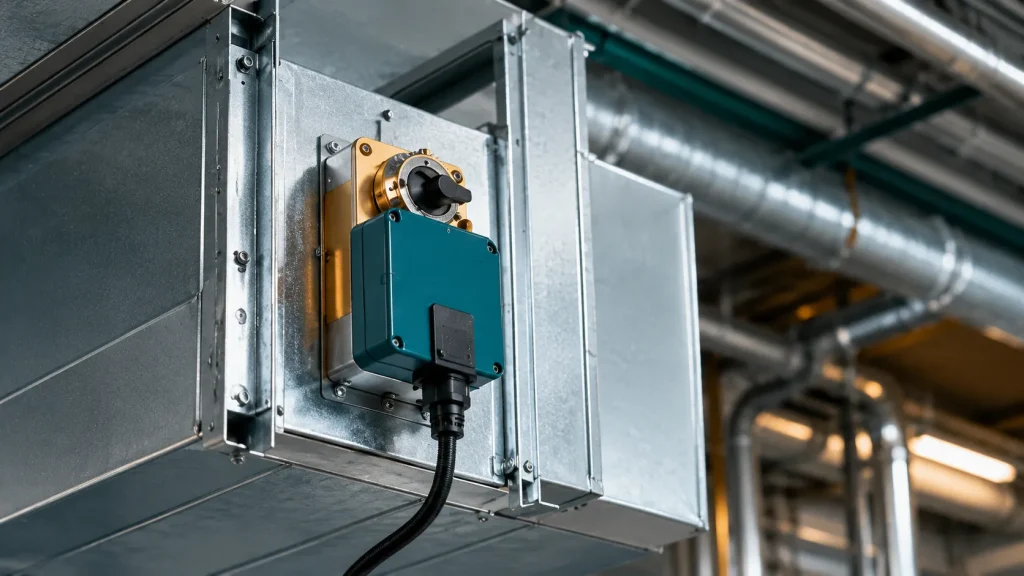
In HVAC systems, valve actuators are often used with chilled water valves, hot water valves, steam valves, and control valves in air handling units, fan coil units, heat exchangers, and district cooling systems.
Main Types of Valve Actuators
There are several types of valve actuators, and each one is suitable for specific applications.
Electric valve actuators are among the most common types. They use an electric motor to move the valve. These actuators are widely used in HVAC systems because they are easy to control, reliable, and compatible with building automation systems.
Pneumatic valve actuators use compressed air to operate the valve. They are commonly used in industrial environments where compressed air systems are already available. Pneumatic actuators are known for fast response and strong performance.
Hydraulic valve actuators use pressurized liquid to create movement. They are often used in heavy-duty applications where high force is required.
Manual valve actuators require human operation. They are simple and cost-effective but are not suitable for automated control.
Modulating valve actuators allow precise valve positioning. They can adjust the valve opening gradually to maintain accurate flow control.
On/off valve actuators are used when the valve only needs to be fully open or fully closed.
Common Applications of Valve Actuators
Valve actuators are used in many sectors, including HVAC, water treatment, oil and gas, manufacturing, power plants, district cooling, and commercial building systems.
In HVAC systems, they control chilled water and hot water flow to maintain indoor temperature. For example, when a cooling coil needs more chilled water, the actuator opens the valve. When cooling demand decreases, the actuator reduces the flow.
In industrial systems, valve actuators help regulate production processes, control pressure, and improve safety. They are also used in pumping stations, boiler systems, chemical plants, and water distribution networks.
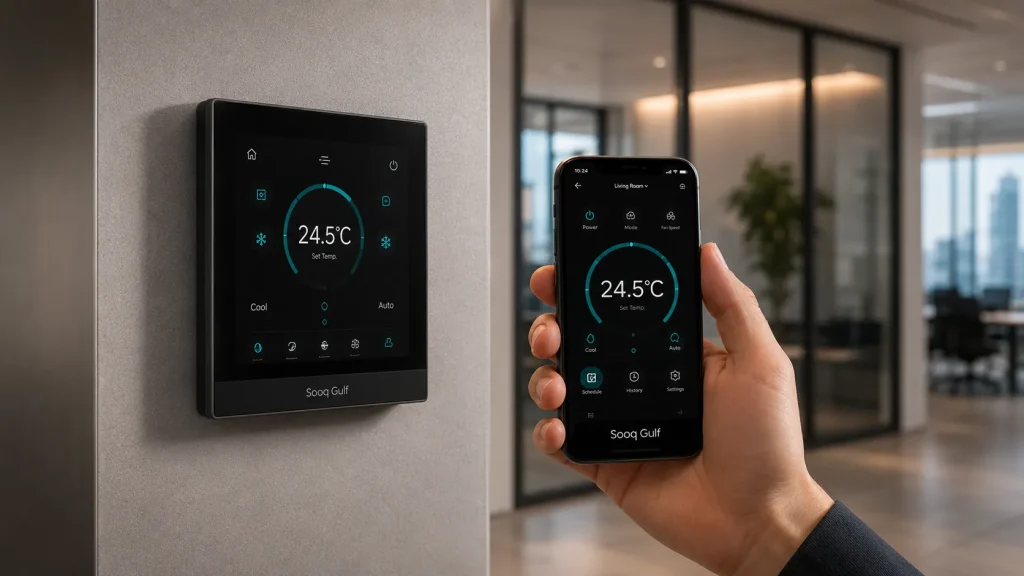
In smart buildings, valve actuators are connected to automation systems. This allows building managers to monitor and control energy use more effectively.
Benefits of Valve Actuators
The biggest benefit of valve actuators is automatic flow control. They reduce the need for manual operation and allow systems to respond quickly to changing conditions.
They also improve energy efficiency. By adjusting flow based on real demand, valve actuators prevent unnecessary heating, cooling, or pumping. This can reduce energy consumption and operating costs.
Another important benefit is better comfort. In HVAC systems, accurate valve control helps maintain stable indoor temperatures.
Valve actuators also improve system safety. In emergency situations, they can close or open valves automatically to protect equipment and people.
They also support preventive maintenance. When connected to a control system, actuator performance can be monitored, helping identify problems before they become serious.
How to Choose the Right Valve Actuator
Selecting the right valve actuator depends on the valve type, required torque or force, control method, power supply, response speed, environment, and application.
For HVAC applications, electric modulating actuators are often preferred because they provide accurate control and integrate easily with automation systems.
For industrial applications, pneumatic or hydraulic actuators may be more suitable when fast movement or high force is required.
It is also important to check compatibility between the actuator and the valve. The actuator must fit the valve stem, match the required movement type, and provide enough force to operate the valve reliably.
Final Thoughts
Valve actuators play a key role in modern flow control. Whether used in HVAC systems, industrial plants, or smart buildings, they help improve efficiency, comfort, automation, and safety.
Choosing the right valve actuator ensures better system performance, reduced energy waste, and longer equipment life. For any project that depends on accurate fluid control, valve actuators are an essential part of the solution.